
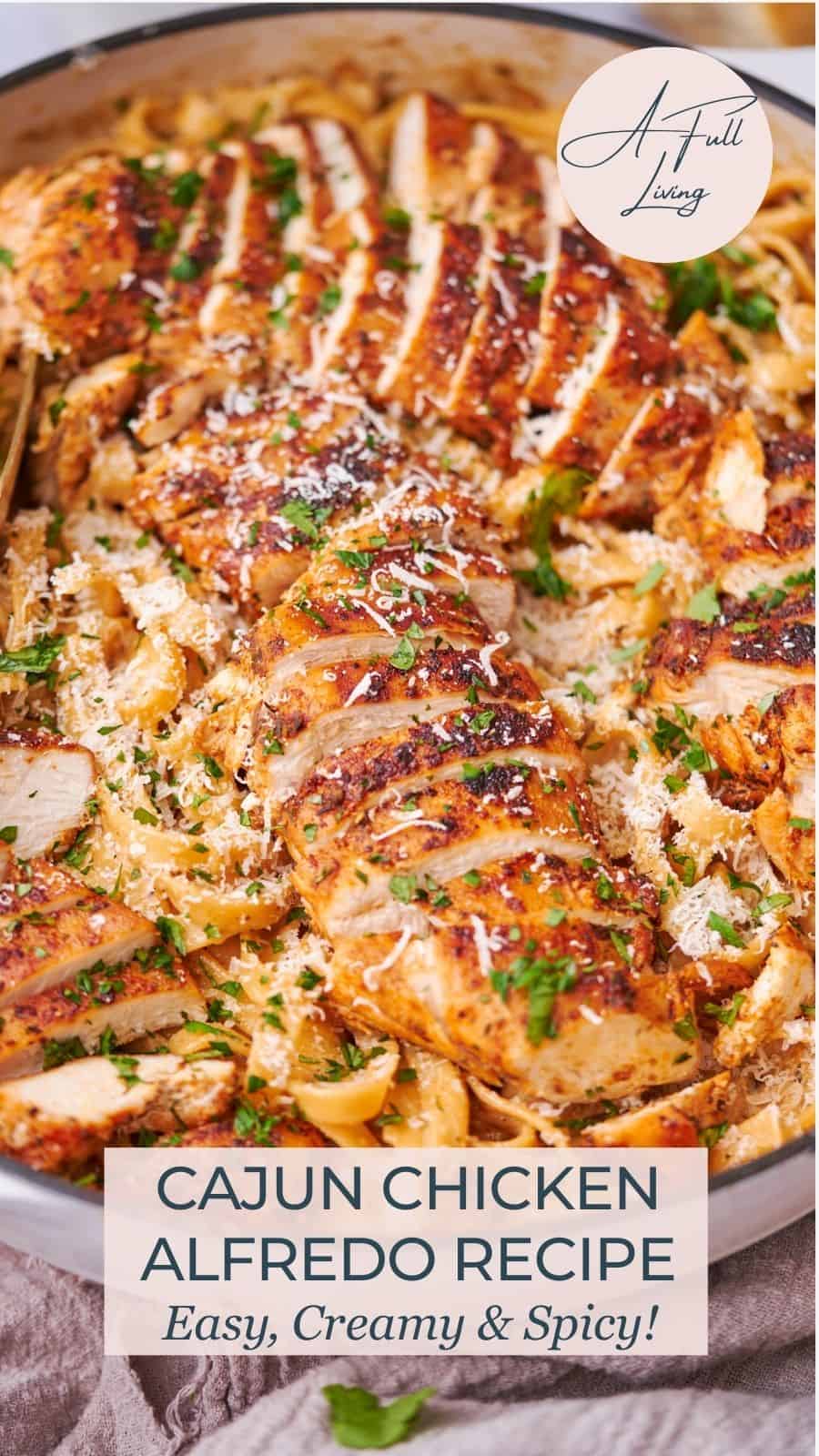
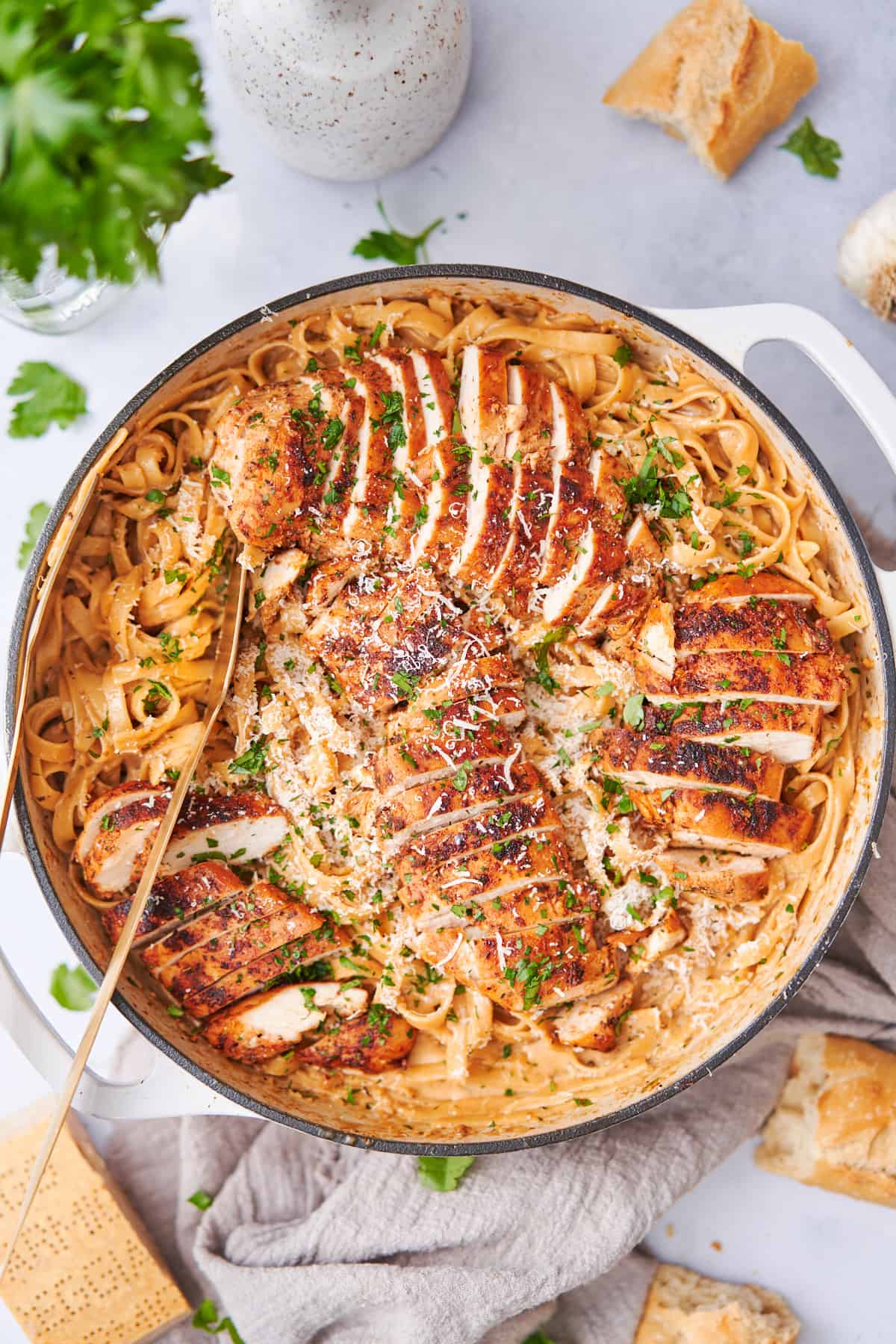
This Cajun Chicken Alfredo tastes like you ordered takeout, but it's all you. Juicy blackened chicken coated in bold and smoky Cajun spices, with a creamy garlic parmesan sauce built right in the same skillet and tossed with fettuccine. It's got just the right amount of kick, and it's on the table in under an hour. This one is on regular rotation in our house. 🤤
Save This Recipe! 💌
This Cajun Chicken Alfredo Recipe Beats Red Lobster's! 🍝
I worked at Red Lobster for years as a teenager, and I ordered lots of their Cajun Chicken Linguini Alfredo during my shifts. Half off on a hostess' wage meant I could stretch that into at least two meals, and sometimes I needed a break from seafood. 😂 It's popular for a reason, so naturally, when I started this blog in 2016, it was one of the first recipes I tried to recreate.
My dad lived in Baton Rouge, Louisiana, for years, instilling a major love of Cajun and Creole cuisine. Chamere has some family originally from New Orleans as well, so we love cooking a lot of Cajun food at home, like our Cajun seafood boil and this Cajun shrimp and grits! The key to great Cajun chicken alfredo is really simple, honestly. Layering flavors and using the right ingredients are really important.
Our homemade Cajun seasoning blend is salt-free, so you can be generous without oversalting. It beats store-bought by a long shot since you get that authentic Louisiana flavor with total control over the spice and salt level!
Freshly grated Parmesan is non-negotiable - pre-shredded has anti-caking agents that make your sauce grainy. Plus, the starchy pasta water makes the sauce cling to every strand instead of pooling at the bottom. These simple techniques took this from a solid weeknight dinner to legitimately better than Red Lobster's version. 🤤
Updated September 2026: A few of you told us the sauce came out thinner than you expected, and one reader had the parmesan clump up on her twice. Both were fair, and both were on the recipe rather than on you. So we cooked it again and fixed it properly: more cream, reduced before the cheese goes in, the pasta water added earlier so the starch is there to protect the parmesan, and one clear weight for the cheese instead of a cup measurement that could be read two different ways. Same dish, same flavors, built in a much better order that actually works. If you've made this before, expect a thicker, glossier sauce this time. 💛
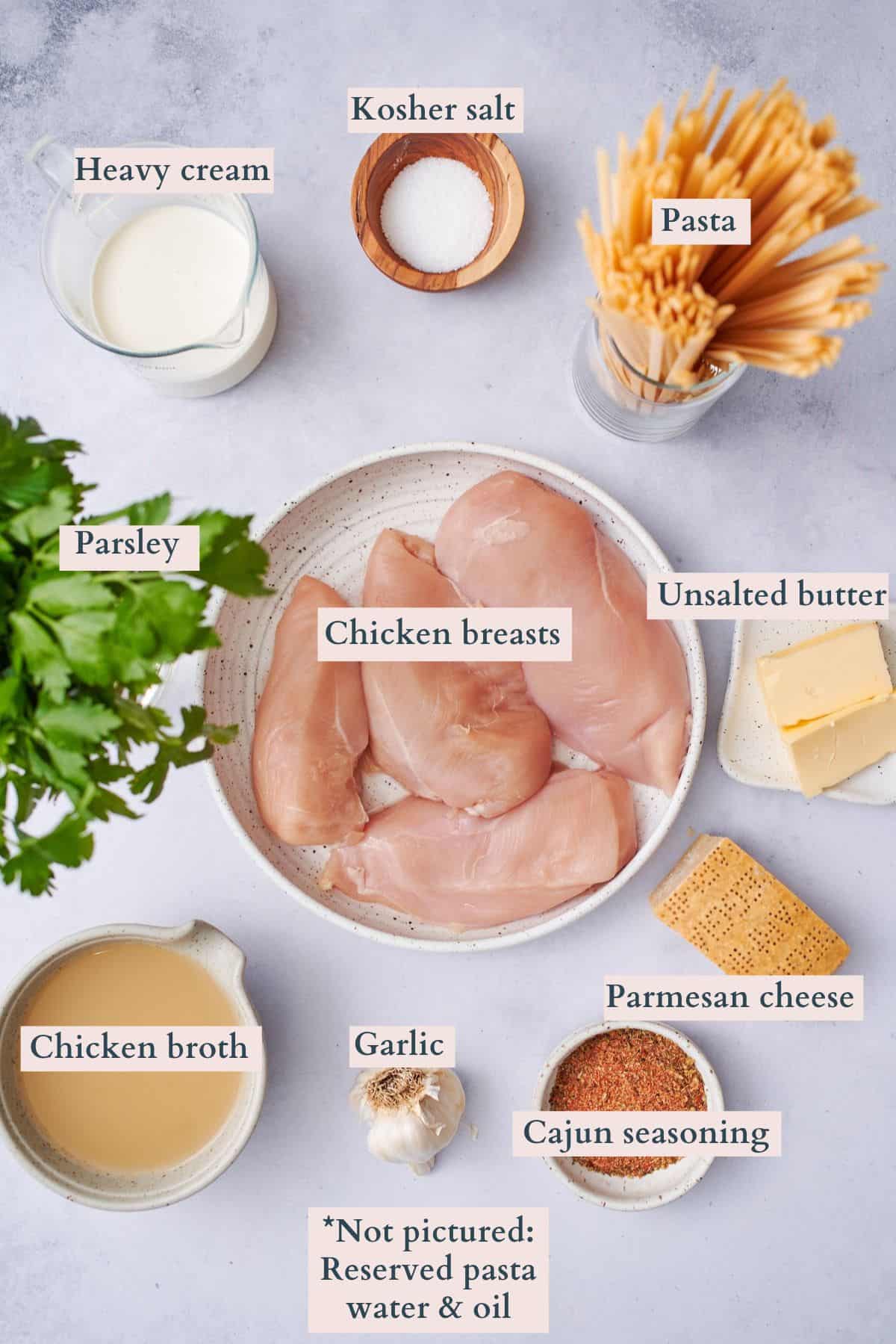
🍝 Ingredients for Cajun Chicken Alfredo Pasta
Freshly grated Parmesan and a good Cajun blend are what carry this sauce, so it's worth using the good stuff on both.
How to Make Creamy Cajun Chicken Alfredo ✨
Don't let the restaurant-quality results fool you - this comes together in straightforward steps!
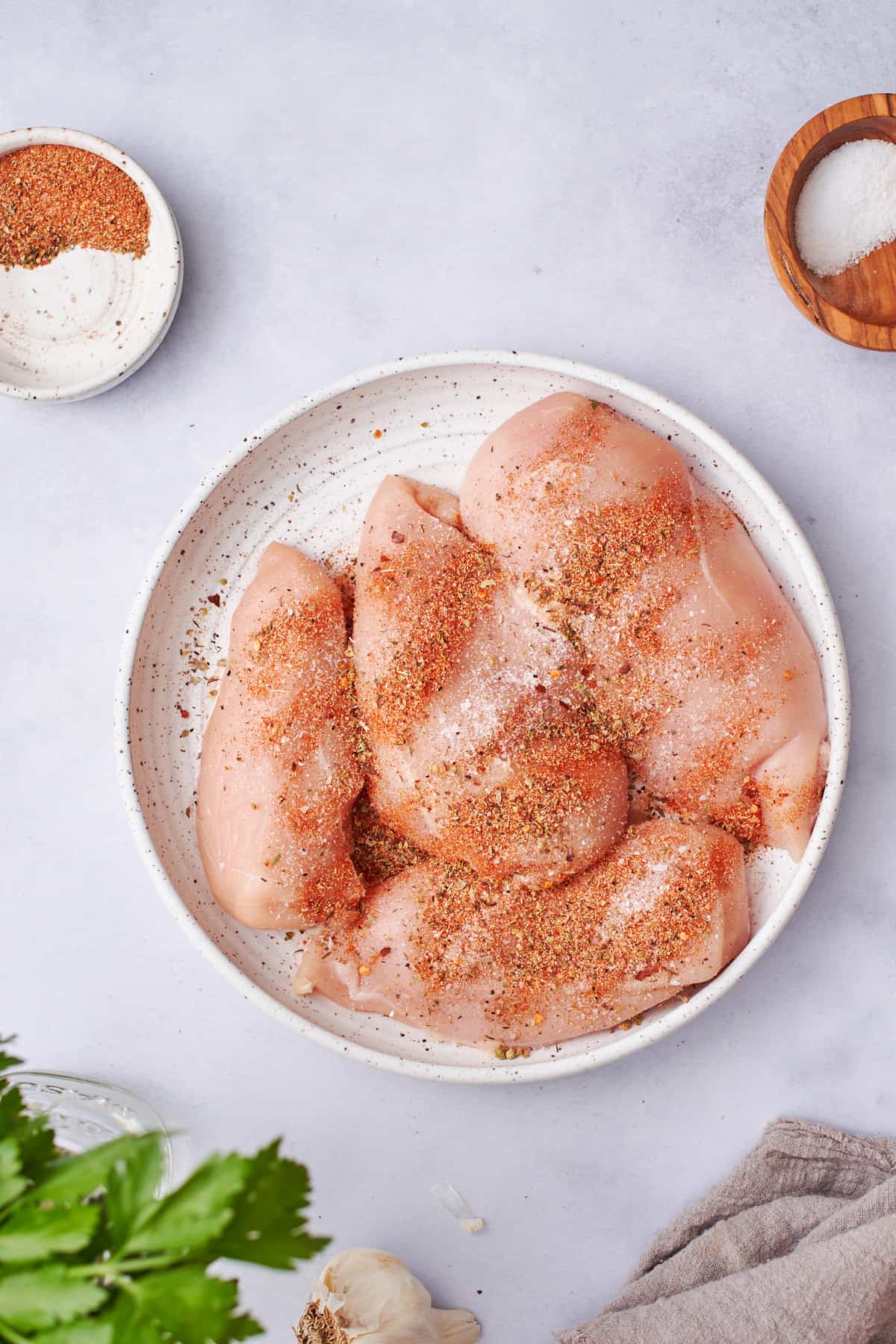
- Step 1: Season the chicken breasts liberally with the Cajun seasoning and kosher salt on all sides.
🌶️ Spice level: This recipe has a nice kick, but it's not blow-your-head-off spicy. If using store-bought Cajun seasoning instead of homemade, taste it first before adding extra salt - most brands include salt in the blend. Want more heat? Add extra cayenne pepper or red pepper flakes to the sauce.
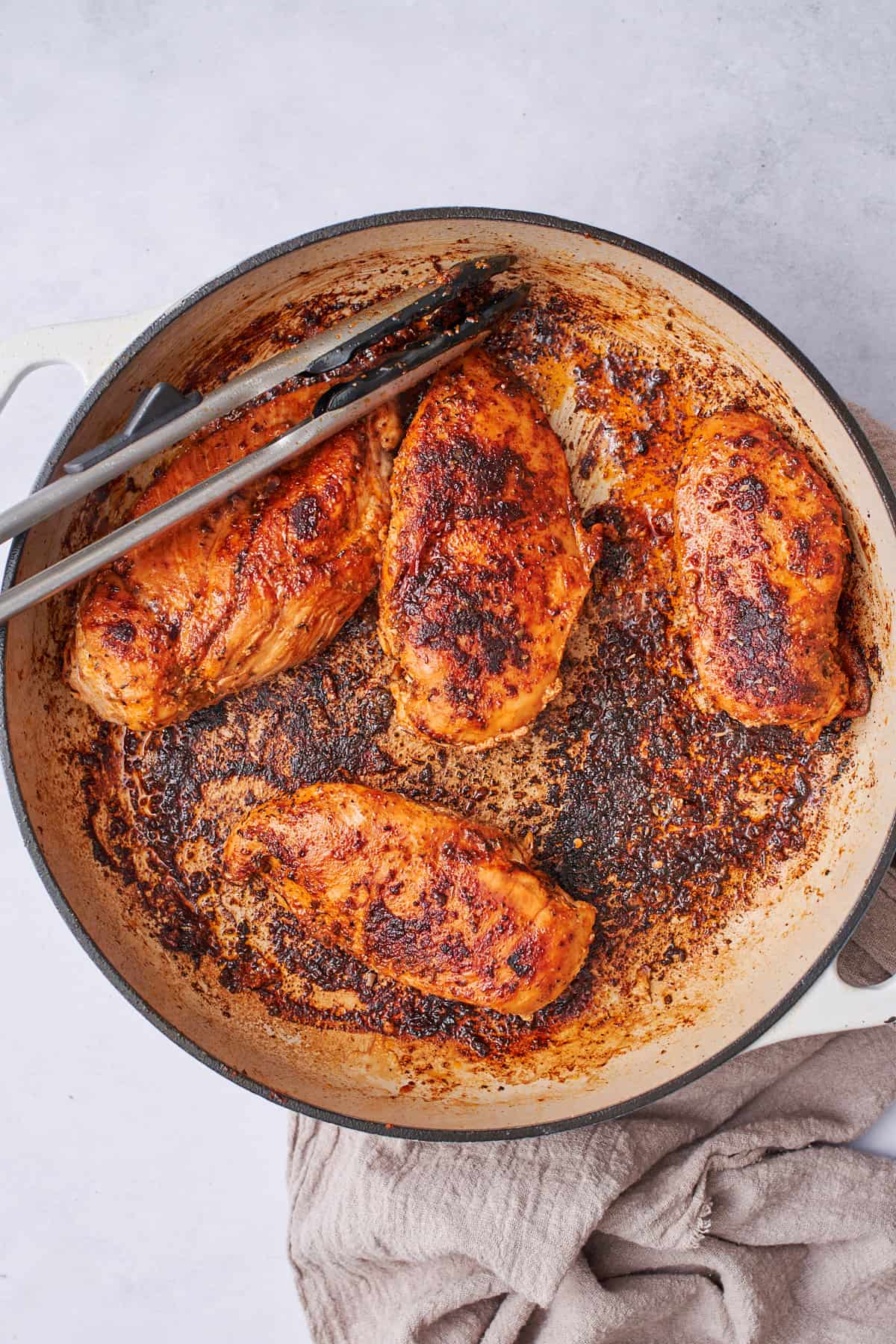
- Step 2: Preheat a large skillet over medium heat. Add the oil, then add the chicken. Sear undisturbed until the spice crust is deep brown, about 6-7 minutes. Flip, add the butter, and cook until the internal temperature reaches 165°F with an instant read thermometer, about 6-7 minutes more.
Once cooked, remove the chicken from the skillet and set aside to rest for 5-10 minutes before slicing. Don't drain those drippings! All that browned seasoning stuck to the pan is flavor gold.
⚠️ Dark, not burnt. Blackened means a deep, dark spice crust, not actual char. Go too far, and those scorched spices end up in your cream sauce, where they turn the whole thing bitter. You want deep brown and fragrant. If the seasoning is going past that before the chicken is cooked through, turn the heat down. Electric burners in particular tend to run hotter than the dial suggests.
💡 Let it rest: This brief rest helps the chicken stay juicy when you slice it. The juices redistribute instead of running out all over your cutting board.
While the chicken rests, cook your pasta. Bring a large pot of heavily salted water to a rolling boil - it should taste like the sea. Cook the fettuccine for 1-2 minutes UNDER the package instructions until it's al dente. The pasta will continue cooking in the sauce, so you want it slightly undercooked here.
💧 Save 1½ cups of pasta water before you drain. Don't skip this or eyeball it. That starchy water goes into the sauce twice, and it's what keeps the parmesan from clumping. You probably won't use all of it, but there's no getting it back once it's down the drain.
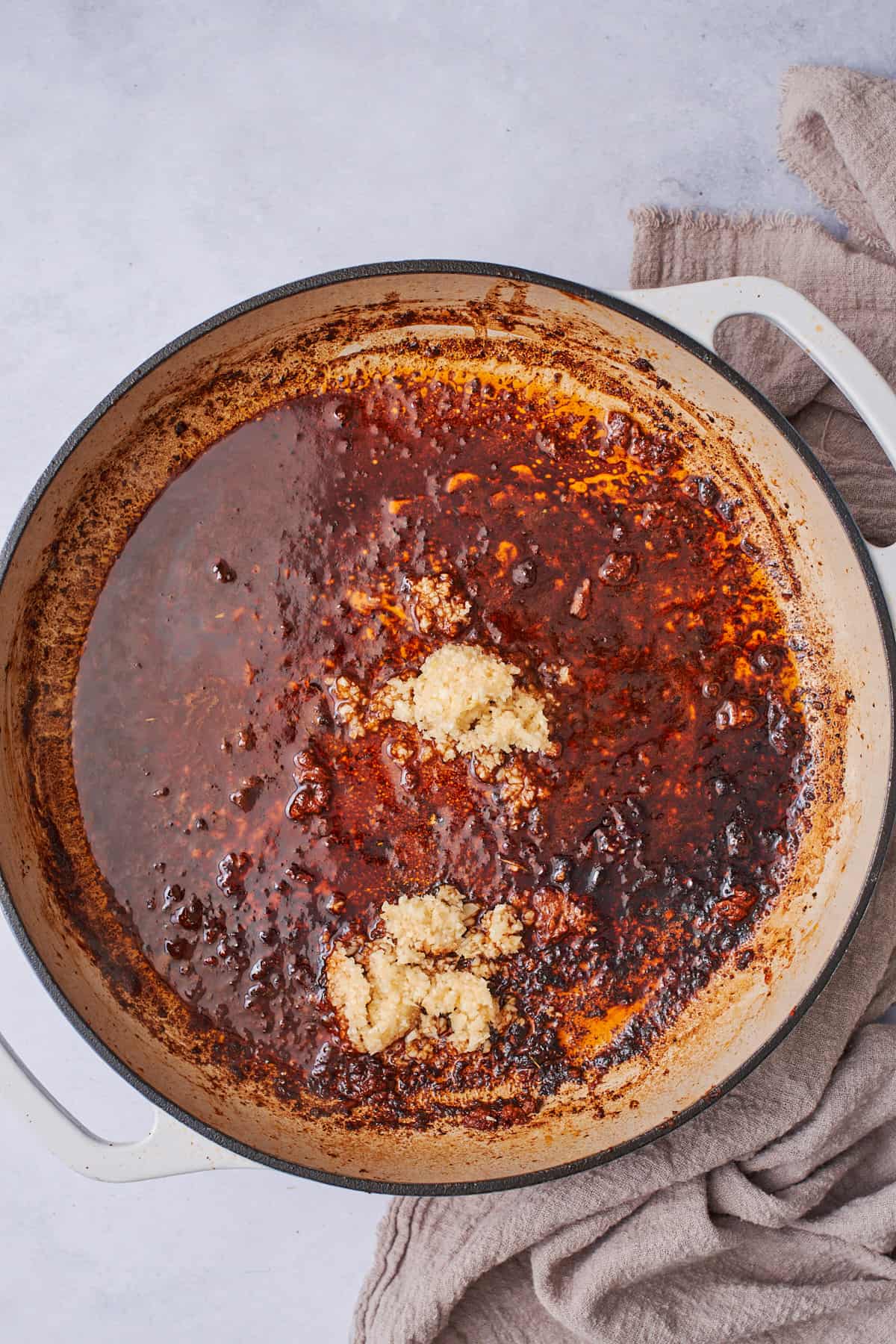
- Step 3: Reduce the heat to medium. Add the remaining butter and a splash of chicken broth to the skillet. Add the minced garlic and cook, stirring often, until fragrant, about 1 minute.
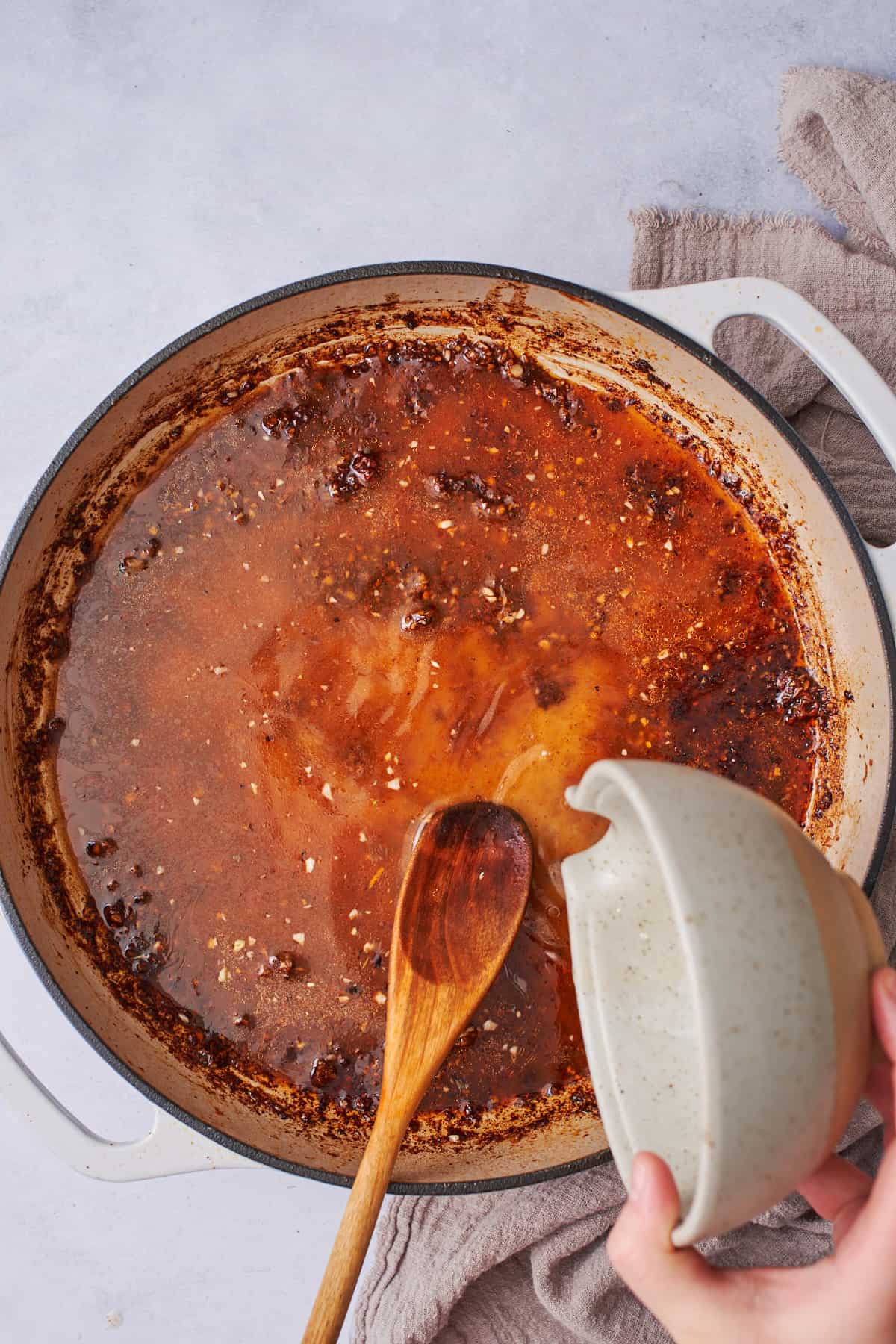
- Step 4: Deglaze the pan with the rest of the chicken broth, scraping up all those browned bits from the bottom of the skillet. Let it simmer until most of the liquid has cooked away, and only a couple of tablespoons remain.
🍳 Cook the broth down, but watch it. Broth is thin and has no fat, so leaving it in the pan waters down the cream right when it needs to be richest. Reducing it concentrates all that fond flavor instead. Don't wander off, though. It goes from perfect to scorched fast on a hot pan, and burnt Cajun seasoning will turn the whole sauce bitter once the cream goes in.
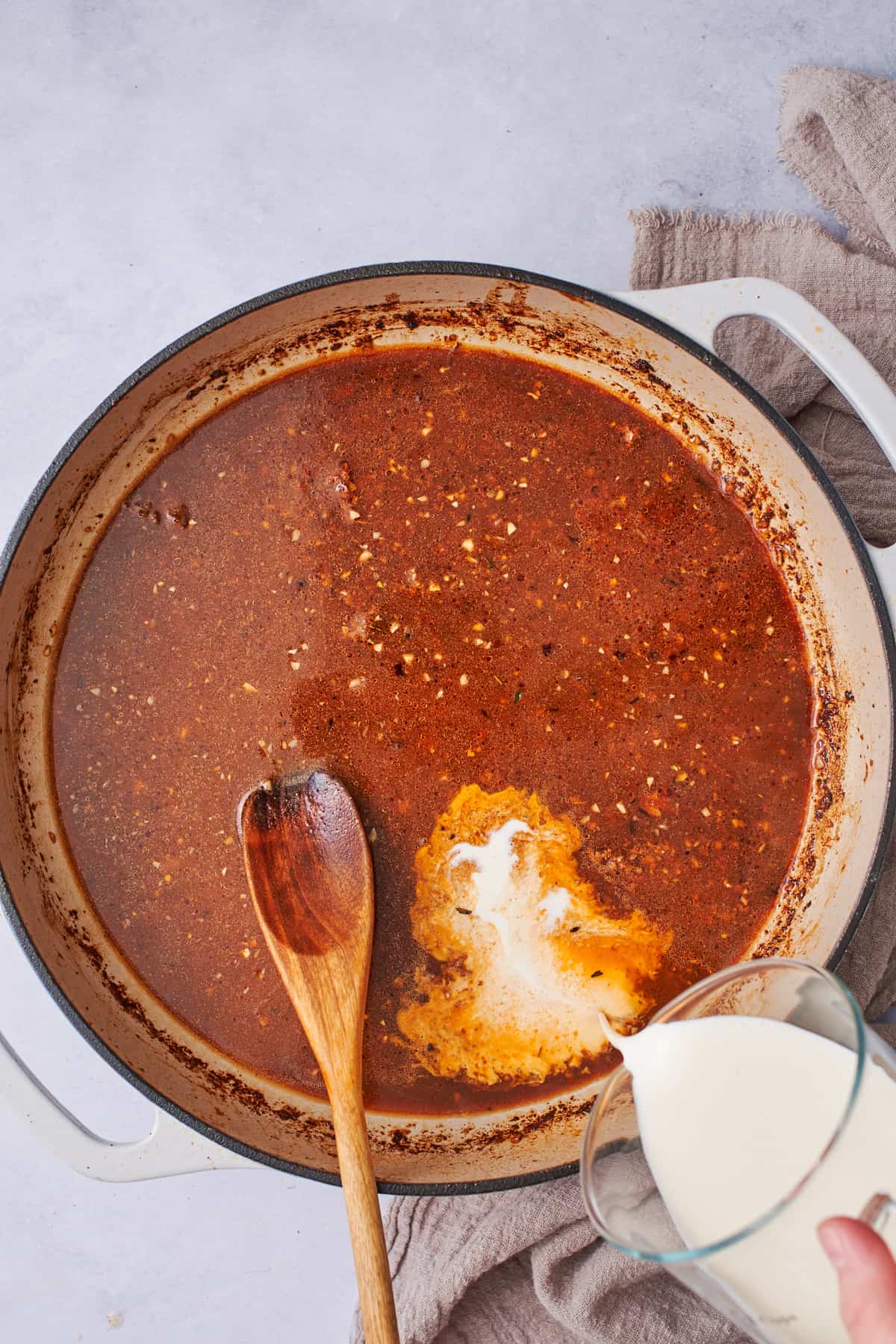
- Step 5: Add the heavy cream. Bring to a gentle simmer and let it cook until slightly thickened and it coats the back of a spoon, about 4-5 minutes.
⚠️ Don't skip the reduction. A few minutes at a gentle simmer thickens the cream and is the difference between a sauce that clings and one that pools at the bottom of the bowl. Just don't let it boil hard, or it can break.
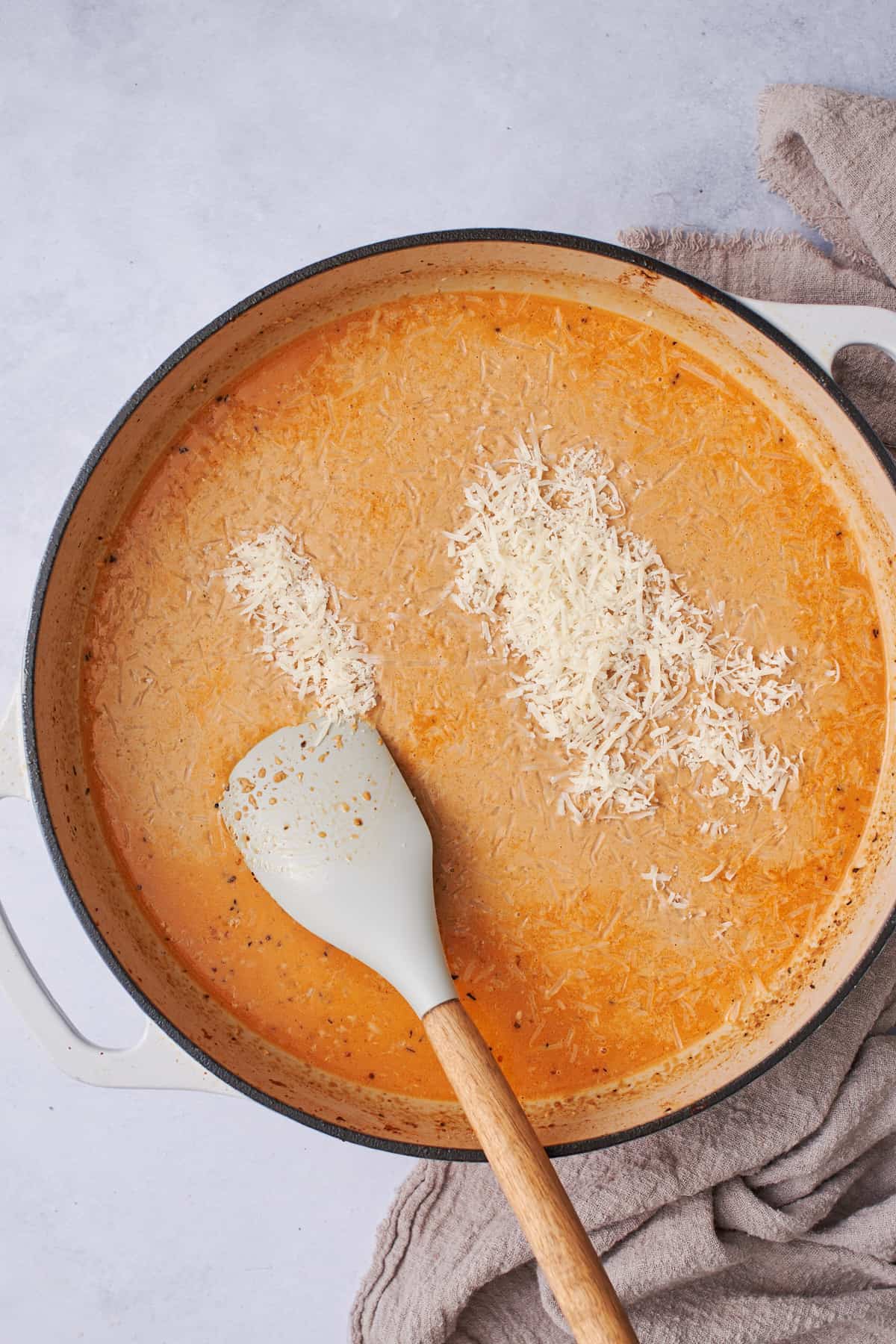
- Step 6: Take the skillet off the heat completely and let it settle for about 30 seconds. Stir in about half of the reserved pasta water. Then add the parmesan a small handful at a time, whisking until each addition disappears completely before adding the next. Season with the remaining Cajun seasoning and salt to taste.
🔥 Off the heat, not low. This is the whole trick to a smooth sauce. Parmesan seizes into clumps when it hits liquid that's too hot, and a pan that's been searing chicken holds way more heat than the dial suggests. Pull it off the burner entirely. The starch in the pasta water goes in first because it coats the cheese and keeps it from binding into clumps.
🧀 Grate the Parmesan fresh and grate it fine. Pre-shredded cheese from the bag is coated in anti-caking additives that stop it from melting smoothly, and it'll go grainy every time. Grate your own on a Microplane or the small holes of a box grater. The finer the shreds, the faster they melt and disperse, and that's a big part of what keeps them from clumping together.
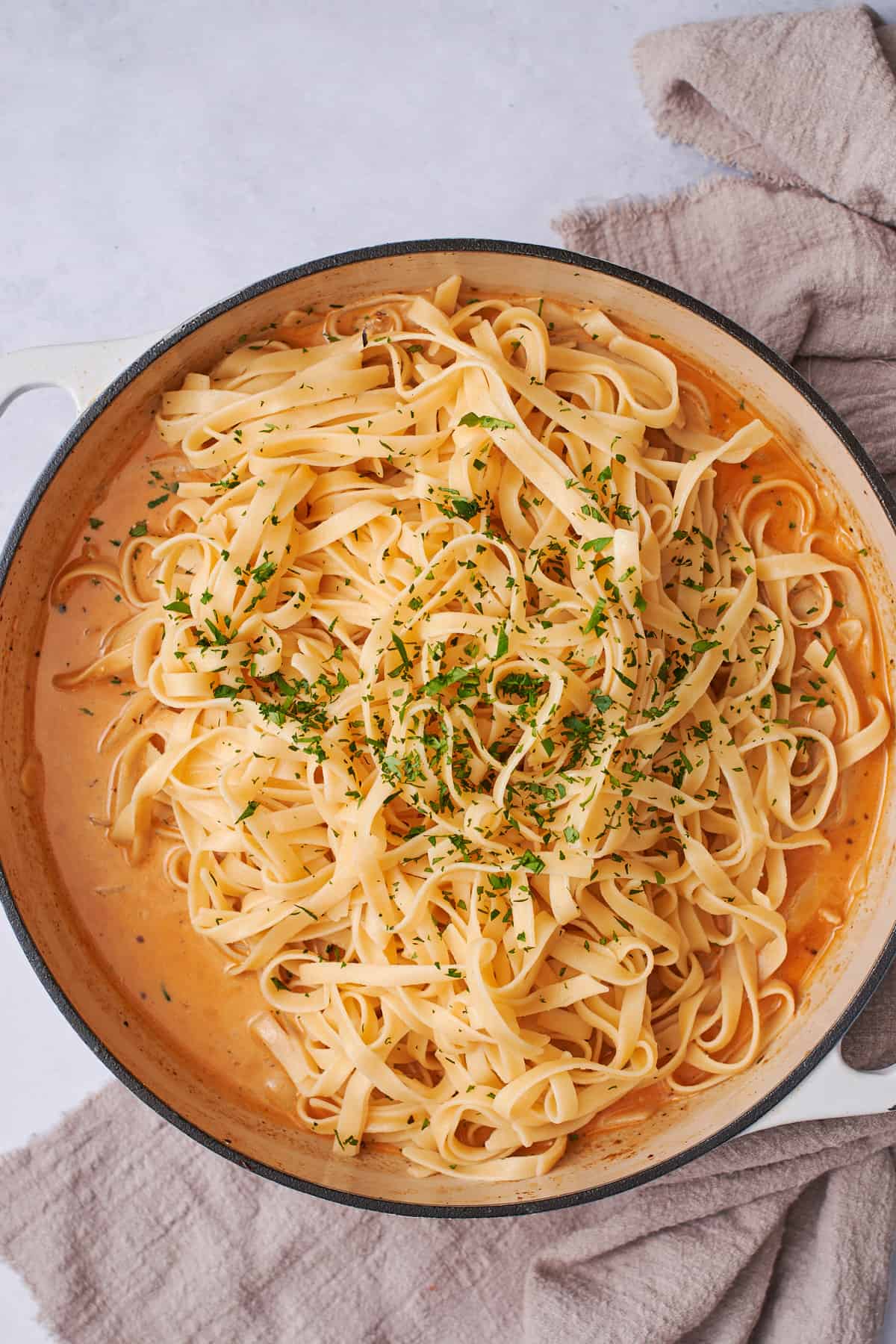
- Step 7: Add the cooked pasta and the fresh parsley.
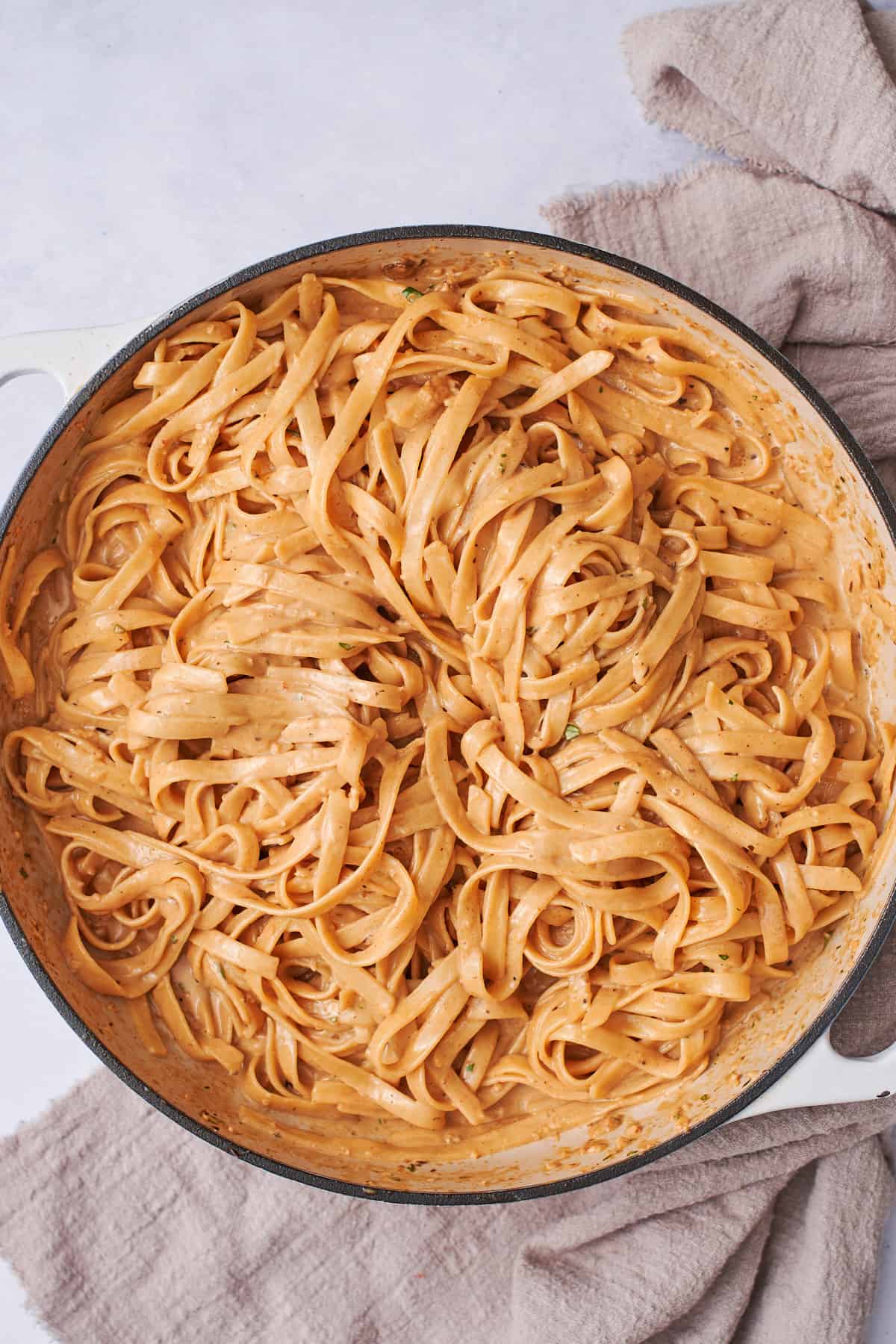
Toss everything together, adding the remaining pasta water a splash at a time until the sauce clings to the noodles without being dry or watery. You're looking for a glossy, clingy sauce that coats every strand.
🧂 Salt sneaks in from a lot of places here. Between the seasoning on the chicken, the salted pasta water going into the sauce, the parmesan, and the Cajun blend itself, it adds up quickly. Store-bought Cajun seasoning is the big one, since most brands are salt-heavy to begin with. Add the salt at the very end and taste as you go. You can always add more, but there's no getting it back out of a cream sauce.
💧 Save leftover pasta water. Hang onto any pasta water you don't use. It's the best thing for loosening leftovers when you reheat them the next day.
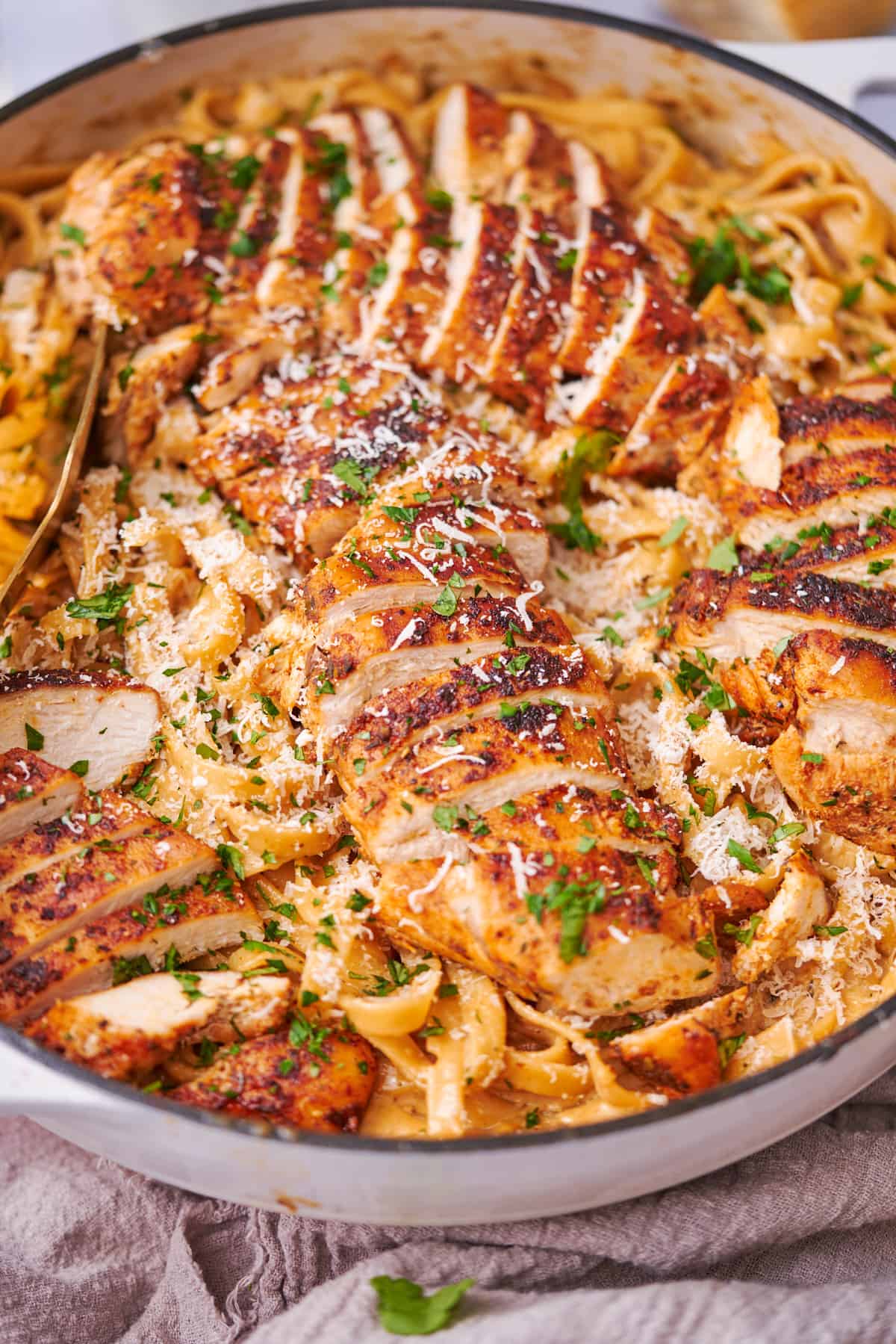
Slice the rested chicken and arrange it over the top of the pasta. Sprinkle with extra parsley and the reserved Parmesan. Serve immediately while it's hot and creamy! 🤤
🌟Leave a Review!
If you make this Creamy Cajun Alfredo Recipe, we'd love to hear from you! Leave a comment below with your rating for the recipe. Share with us by tagging us on Instagram! We love seeing your creations! 📸
📖 Recipe

Cajun Chicken Alfredo Recipe (Restaurant Quality & Easy!)
Ingredients
Blackened Chicken:
- 1½ pounds boneless skinless chicken breasts
- 1 tablespoon Cajun seasoning or to taste (use our homemade salt-free Cajun seasoning recipe or store bought)
- 1½ teaspoons kosher salt or to taste (reduce or omit if using store-bought Cajun seasoning with added salt, see notes)
- 2 tablespoons neutral oil avocado, canola, or vegetable
- 2 tablespoons unsalted butter
Cajun Alfredo Sauce & Pasta:
- 1 pound fettuccine can sub linguine or your pasta of choice
- 2 tablespoons unsalted butter
- 8 cloves fresh garlic minced
- ½ cup chicken broth
- 1½ cups heavy whipping cream
- 8 ounces Parmigiano-Reggiano freshly grated from a block, divided
- 1½-2 tablespoons Cajun seasoning or to taste (if using store-bought, start at 1½ tablespoons and omit the added salt below, since most brands are salt-heavy)
- ¾- 1 teaspoon kosher salt or to taste (reduce or omit if using store-bought Cajun seasoning with added salt)
- 1-1½ cups reserved pasta water divided (you likely won't use it all)
- Handful of fresh parsley minced, plus more for garnish
Instructions
Prepare the Chicken:
- Preheat a large skillet over medium heat. Season chicken breasts liberally with Cajunseasoning and kosher salt on all sides.1½ pounds boneless skinless chicken breasts, 1 tablespoon Cajun seasoning, 1½ teaspoons kosher salt
- Add the oil to the hot skillet, then add the chicken. Sear undisturbed until the spice crust is deep brown, about 6-7 minutes. Flip, add the butter, and cook until the internal temperature reaches 165°F, about 6-7 minutes more. If the spices are darkening faster than that, lower the heat.2 tablespoons neutral oil, 2 tablespoons unsalted butter
- Remove chicken from skillet and set aside to rest 5-10 minutes before slicing. Don't drain the drippings!
Cook the Pasta:
- Meanwhile, bring a large pot of heavily salted water to a boil. Cook fettuccine 1-2minutes under package directions until al dente; it will finish cooking when everything comes together! Reserve 1½ cups pasta water before draining. You probably won't need all of it, but you can't get it back once it's gone.1 pound fettuccine
Make the Sauce:
- With the skillet still over medium heat, add the butter and a splash of chicken broth. Add minced garlic and cook, stirring often, until fragrant, about 1 minute.2 tablespoons unsalted butter, 8 cloves fresh garlic
- Deglaze the pan with the remaining chicken broth, scraping up all the browned bits. Simmer until most of the liquid has cooked away and only a couple of tablespoons remain.2 tablespoons unsalted butter, ½ cup chicken broth
- Reduce the heat to medium-low and add the heavy cream. Bring to a gentle simmer and cook until slightly thickened and it coats the back of a spoon, about 4-5 minutes. Do not let it boil.1½ cups heavy whipping cream
- Remove the skillet from the heat and let it settle for 30 seconds. Stir in ½ cup of the reserved pasta water.1-1½ cups reserved pasta water
- Still off the heat, add 6 to 7 ounces of the Parmesan, a small handful at a time, whisking until each addition disappears completely before adding the next. Season with Cajun seasoning and salt to taste, adding a little at a time.8 ounces Parmigiano-Reggiano, 1½-2 tablespoons Cajun seasoning, ¾- 1 teaspoon kosher salt
- Add cooked pasta and parsley. Toss to combine, adding remaining pasta water a splash at a time until the sauce coats the noodles.Handful of fresh parsley
- Slice the chicken and arrange it over the pasta. Garnish with extra parsley and the remaining parmesan. Serve immediately!
Save This Recipe! 💌
Notes
-
Recipe Updated September 2026: We retested this recipe after reader feedback about thin sauce and clumping parmesan. The cream was increased and is now reduced before the cheese goes in, the pasta water is added ahead of the parmesan so the starch can keep it from
seizing, and the parmesan is listed by weight. If you've made the previous version, both the method and a few amounts have changed. - Keep the Cheese Off the Heat: Parmesan seizes into clumps when it hits liquid that's too hot. Pulling the skillet off the burner completely, rather than just turning it down, is the most reliable way to prevent it. The starchy pasta water going in first does the rest.
- Fresh Parmesan is Essential: Pre-shredded Parmesan has anti-caking additives that prevent smooth melting. Grate your own, and grate it fine. Finer shreds melt faster and are far less likely to clump.
- Watch the Salt: Salt comes from several places in this recipe - the chicken seasoning, the salted pasta water, the Parmesan, and the Cajun blend itself. Store-bought Cajun seasoning is usually salt-heavy. Season at the end and taste as you go.
- This recipe uses Diamond Crystal Kosher Salt: If using Morton's, start with about ½ as much, as it's saltier by volume.
- Cajun Seasoning Recipe: We use our homemade salt-free Cajun seasoning blend so we can control the salt level.
- Gluten-Free: Use your favorite gluten-free pasta. Gluten-free pasta releases less starch into the cooking water, so reserve a full 2 cups and expect to use more of it. If the sauce still runs loose, let the cream reduce a little longer next time.
- Using Pre-Cooked Chicken: You can use leftover or rotisserie chicken for a super quick meal, though the flavor won't be quite as good. Toss the chicken pieces with extra Cajun seasoning to boost the flavor.
-
Storage: Store leftovers in an airtight container in the fridge for up to 4 days. Do not freeze. If possible, keep sauce separate from pasta to prevent the pasta from absorbing too much liquid. Reheat gently on the stovetop or in the microwave with a splash of pasta
water or chicken broth. - Make Ahead: You can cook the chicken and make the alfredo sauce ahead of time, storing them separately in the fridge for up to 4 days. When ready to serve, cook fresh pasta and gently reheat the sauce, adding pasta water to loosen as needed.
hillary says
sauce turned out to be a big ball of cheese
Briana says
Hi Hillary, I'm SO sorry — that one's on the recipe, not on you. The parmesan was listed two different ways (3 cups and 12 ounces, which aren't actually the same amount, a conversion error that went unnoticed for way too long!), and the sauce underneath it wasn't thick enough to carry that much cheese, so it clumped instead of melting in. We retested yesterday and updated the recipe this morning: one weight for the cheese, the cream gets reduced first, and the pan comes off the heat completely before the Parmesan goes in. It works now. If you give it another go I'd love to know, we're confident that this version holds up. Either way, thank you for telling us. 💛
Kelley Gelnar says
How do you keep the cheese from balling up in a big clump? It’s really yummy but I’ve made it twice and the Parmesan cheese ends up in a big clump
Briana says
Hi Kelley!
Thanks so much for making it twice — that means a lot! The clumping is such a common Parmesan issue and it's totally fixable. A few things that usually solve it:
- Use freshly grated Parmesan from a block — the pre-shredded stuff in bags has anti-caking agents (cellulose) that keep it from melting smoothly, and it'll seize up into clumps almost every time. Grate it fine on a Microplane or the small holes of a box grater.
- Lower the heat before adding cheese — Parmesan seizes when it hits liquid that's too hot. Pull the pan off the burner or turn it down to low, let the sauce stop bubbling for about 30 seconds, then whisk the cheese in a small handful at a time.
- Add it gradually, not all at once — dumping the whole amount in causes it to clump together before it can disperse. Sprinkle in a little, whisk until melted, then add more.
- Room temp cheese helps too — cold cheese hitting warm sauce is more likely to seize. If you can, let it sit out for 15-20 minutes before grating.
Give those a try next time and let me know how it goes! So glad you're enjoying the recipe. 💛
Briana says
Kelley, coming back to this one because you were right and my first answer wasn't good enough. The tips I gave you were real, but the actual problem was the recipe. The parmesan was listed two different ways (3 cups and 12 ounces, which aren't the same amount), so depending on how you grated it you could end up with nearly double what the sauce could hold. On top of that, the cream was never reduced, so there wasn't enough body to carry the cheese in the first place.
We retested it yesterday and rebuilt the method. The parmesan is now a single weight, there's more cream and it gets reduced before the cheese goes in, and some of the pasta water now goes in ahead of the parmesan, because the starch is what keeps it from seizing. The pan comes fully off the heat too, not just down to low.
You made it twice and got the same result both times, which should have told me it was us and not you. Thank you for sticking with it long enough to say something. 💛
Indira says
I am usually not one to leave comments, but this recipe is just so good, I had to! It is my GO-TO recipe whenever I'm craving a creamy, cheesy, and hearty pasta, and it's so easy to make! When you first start on the sauce, it does tend to lean towards a thinner sauce; however, I've made this recipe so many times that I remedy this by throwing in some extra cheese (extra seasoning) and letting the sauce simmer for a little while on medium heat to achieve that creamy texture!
It makes excellent leftovers, and the juicy chicken works perfectly with the pasta! Thank you so much!
Briana says
We're so honored that you love the recipe so much that it's your go-to!! Thank you so much for the kind words, we appreciate your comment so much!! 🙂
Briana says
Indira, coming back to this one! You nailed it with your workaround, you'd basically diagnosed the problem on your own. The sauce genuinely was too thin, because there wasn't enough cream for a pound of pasta and the recipe never had you reduce it before the cheese went in. We retested and updated it this week, so there's more cream now and it reduces first. You shouldn't need the extra cheese or the extra simmer anymore, though I wouldn't blame you for adding it anyway. 💛
Erica says
My boyfriend made this for us for dinner. The sauce was thin and "soup" like, which I wasn't expecting. However, this was absolutely DELICIOUS. I am hosting a family dinner this week and this is what I plan to make.
Briana says
Hey Erica, thank you for your comment! The sauce is a bit on the thin side, you can always add more cheese if you want, or even a little cream cheese to thicken it up if you prefer! Question - did you toss the pasta with the sauce? That tends to give it the perfect texture when the starch from the noodles comes into contact with it! Thank you for trying our recipe, we're so glad you enjoyed it! 🙂
Ashley says
Same here. I didn’t even use the pasta water and it was very soupy. I was bummed.
Briana says
Ashley, following up on this one. You were right, and it wasn't the pasta water. The sauce itself was too thin to begin with — not enough cream for a pound of pasta, and the recipe never had you reduce it before the cheese went in. We retested and updated it this week: more cream, reduced properly first, and one clear weight for the parmesan. It's a much thicker sauce now. Sorry it was a letdown the first time. 💛
Briana says
Circling back, Erica! You called this out and you were right — the sauce really was too thin, and it turned out to be the recipe rather than anything on your end. We retested and updated it this week with more cream, reduced before the cheese goes in, so it comes out much thicker and glossier now. Thanks for being so kind about it at the time. 💛
Kiki says
This was delicious. I was a little disappointed in how thin the sauce was, but it was truly delicious. My kids (teenage boys) really loved it and gobbled it right up. One of my kids has celiac disease, and it was easy to adapt for him. Will make again! (It says it feeds 8. I would say more like 6ish).
Briana says
Hi there! Thanks so much for letting us know your thoughts about this recipe and for the feedback! I'm wondering if the sauce ended up a little thin when using gluten-free noodles? This is good feedback for us, as regular pasta tends to add more starch that thickens up the sauce a bit. You can always feel free to reduce the amount of broth next time, add more cheese, or even add a bit of softened cream cheese to make the sauce a bit thicker. I'm going to contemplate any other solutions that might work for this recipe to make the sauce thicker for those who are gluten-free. Thanks again for giving it a try!
Briana says
Kiki, coming back to this one. I blamed the gluten-free pasta at the time, and that was only half the story — the sauce was genuinely too thin to start with, GF noodles or not. We retested and updated it this week with more cream that now gets reduced before the cheese goes in. The gluten-free note is updated too: reserve extra pasta water, and if it still runs loose, let the cream reduce a bit longer rather than adding more cheese. Also fixed the servings, you were right that it's closer to 6. 💛
Brittney Buell-Schneider says
This was my first time making homemade Cajun chicken Alfredo. MY GOSH…IT WAS SO, SO GOOD!!! I will say though, the prep time took me quite a bit longer than expected. Definitely make sure you have it all ready to go before you start cooking. I did however add quite a bit more Parmesan cheese to the sauce. Probably about 4-6 more ounces than what the double recipe called for. However, it tasted amazing!!! I also pre-sliced my chicken before cooking. (I like to season my food religiously. I made sure the chicken was fully coated on every slice. So, that added a little more kick to where I didn’t have to season the pasta when all mixed together.) 10/10 recommend this recipe! You will not be disappointed!
Briana says
Hi Brittney, thank you so much for all this information, and we're so glad you enjoyed it so much, that makes us so happy! Thanks for letting us know how you made yours differently. Honestly, you can't go wrong with extra parmesan! Thank you again for your kind review. 🙂
Briana says
Brittney, an update on this one! The extra parmesan you added was covering for a real gap — the sauce was too thin as written. We retested and updated the recipe this week with more cream, reduced before the cheese goes in, so it should come out right without the extra now. Thanks again for such a thorough review. 💛
Sabrina says
If I made this using homemade pasta do you think I should completely omit the initial cooking step? I generally only cook my pasta for 3-4 minutes and it overcooks to mush so quickly so I am worried that might happen here with a double cook. Thank you so much! I am new to the site and think it looks beautiful, I can't wait to look around! 🙂
Briana says
Hi Sabrina,
Thanks for your comment! We do recommend cooking the noodles before adding them back to the sauce because there isn't enough liquid in the sauce to really get the pasta fully cooked. With that said, we'd recommend undercooking them a little bit so that they don't end up getting mushy.
Thanks also for the compliments! We work really hard on our content, we're so glad you enjoy it!:)
Cheers,
Briana & Chamere
Shoshanah Metzelaar says
Can you use chicken thighs instead of breast?
Briana says
Yes, certainly!
Marla says
I made this tonight and I am very happy with it! It turned out delicious. This time I used a store bought Cajun spice (Urban Accents) and I used Palmini noddles, to make it quicker and easier. Next time I will try making your seasoning blend. Thank you for sharing your recipes.
Briana says
Hey Marla, That is great to hear! We're so glad you enjoyed! Thanks so much for giving it a try. 🙂
Sharon Mayer says
The BEST EVER!!!! TRY IT!!
Briana says
YAY! Thank you Sharon, you are awesome. So glad you like it so much!
Daralyn says
Pretty sure it should be 165F instead of 65F?
Briana says
Hi Daralyn,
Yes! You're absolutely right. Thanks for pointing that out. Just a typo!